
4WD orchard traction basics for wet seasons
Brochure horsepower does not replace axle choice when rows stay wet after rain.
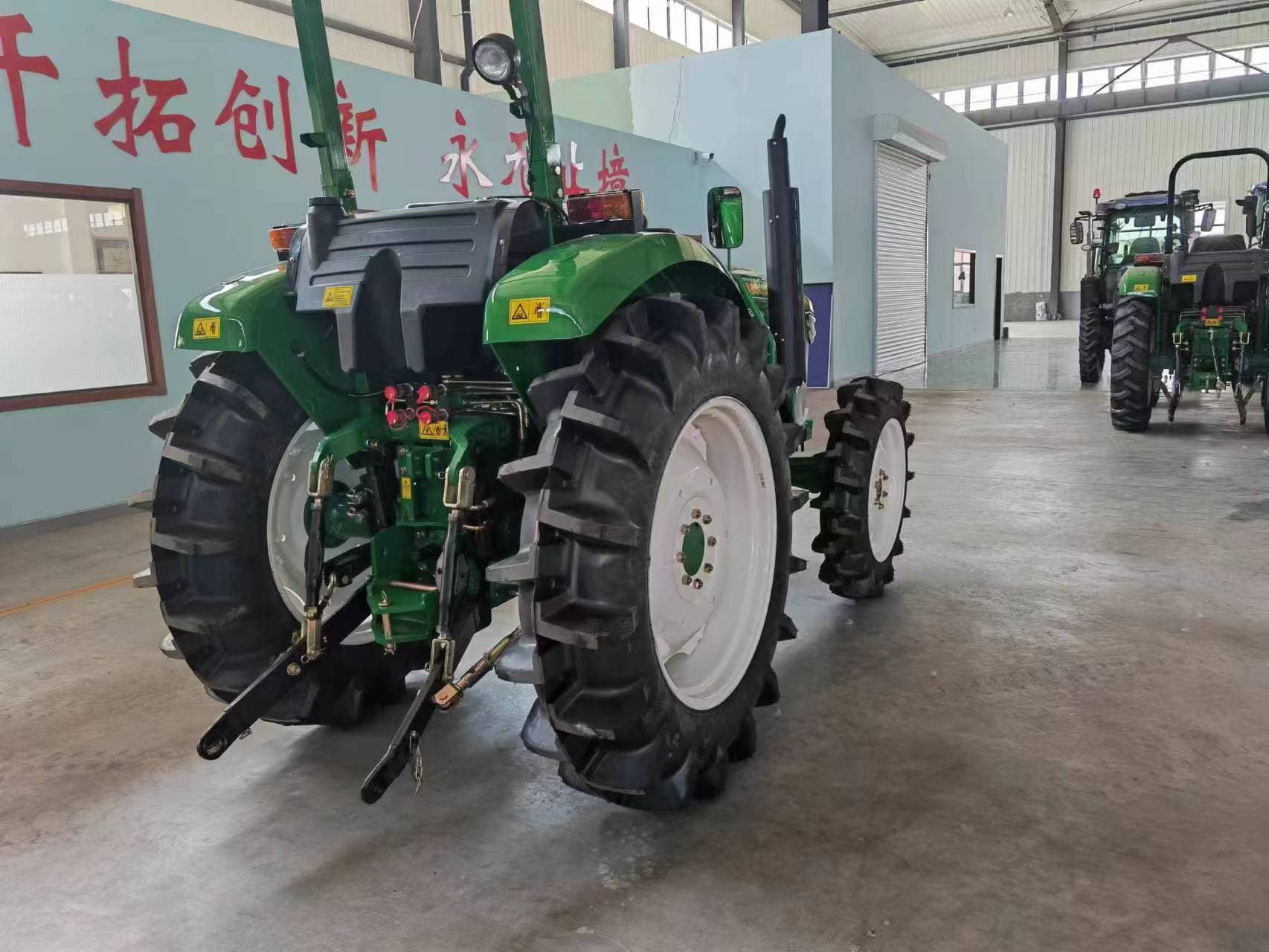
Orchard dealers often quote 2WD units to win on price, then absorb return costs when spring rains turn inter-rows into clay. 4WD is not a luxury for wet seasons — it is a downtime hedge.
Check tire width against row spacing and drip lines. Narrower footprints help canopy clearance, but under-inflation to chase flotation can cut sidewall life. Ask the factory for ballast recommendations matched to sprayer weight.
PTO and hitch standards should stay consistent across your orchard SKUs so implements and training stay interchangeable. LH-N and compact LH-EX 4WD units are the usual starting point for dense planting.
Document slope and soil type in the inquiry form. Export teams can then confirm cage wheels, canopy and sealing options before locking lead time.